Come Iscriversi Link Utili Login Registrati
  • L'ACP
    • Chi siamo
    • Come Iscriversi
    • Statuto
    • Il codice
    • L'Organigramma
    • Sezioni Regionali
    • Gruppi di lavoro
    • Bilancio trasparente
    • Affiliazioni
    • Protocolli d'intesa e collaborazioni
    • Richieste di Patrocinio
  • Editoria
    • Editoria
    • Quaderni ACP
    • Pagine Elettroniche di Qacp
    • Libri
    • Appunti di viaggio
  • Formazione
    • Appuntamenti
    • A colpo d'occhio
    • Organizzazione eventi online
  • Stampa
    • Comunicati Stampa
    • ACP sulla Stampa
  • Per le Famiglie
    • Leggi sul sito
    • Seguici su FB
  • Contattaci
  • L'ACP
    • Chi siamo
    • Come Iscriversi
    • Statuto
    • Il codice
    • L'Organigramma
    • Sezioni Regionali
    • Gruppi di lavoro
    • Bilancio trasparente
    • Affiliazioni
    • Protocolli d'intesa e collaborazioni
    • Richieste di Patrocinio
  • Editoria
    • Editoria
    • Quaderni ACP
    • Pagine Elettroniche di Qacp
    • Libri
    • Appunti di viaggio
  • Formazione
    • Appuntamenti
    • A colpo d'occhio
    • Organizzazione eventi online
  • Stampa
    • Comunicati Stampa
    • ACP sulla Stampa
  • Per le Famiglie
    • Leggi sul sito
    • Seguici su FB
  • Contattaci


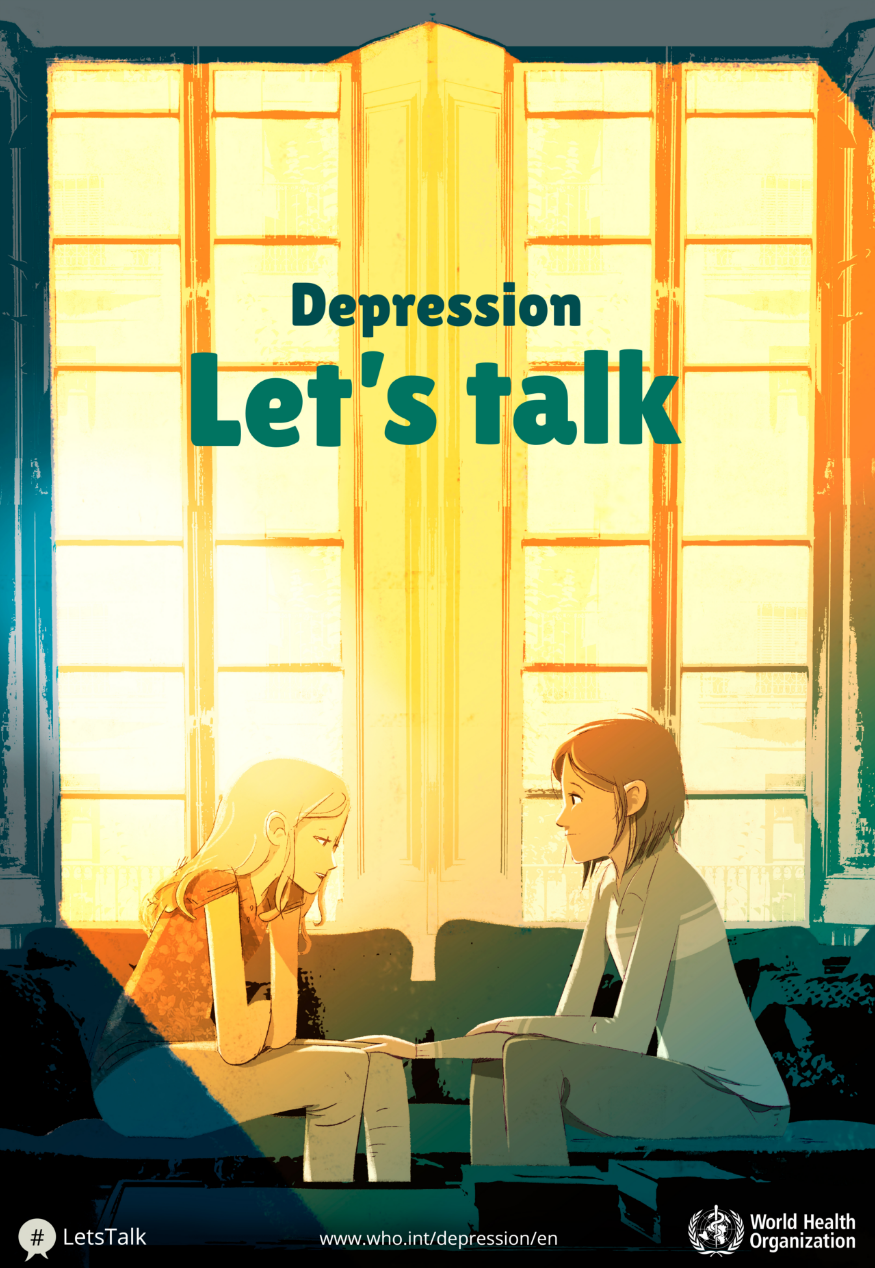
"Depression: let’s talk" says WHO, as depression tops list of causes of ill health

  • 07 Apr 2017 alle 10:14:08
La Depressione è la principale causa di malattia e di disabilità nel mondo. Secondo le ultime stime dell'OMS più di 300 milioni di persone al mondo vivono con questo problema, un incremento di oltre il 18% dal 2005 al 2015. Nella Giornata della salute della Terra, il 7 Aprile, l'OMS ha voluto sottolineare il problema con la sua campagna "Depressione: parliamone". Lo scopo di questa campagna è che un maggior numero di persone che soffrono di depressione cerchi e trovi aiuto.   News release
who130 MARCH 2017 | GENEVA - [WHO] Depression is the leading cause of ill health and disability worldwide. According to the latest estimates from WHO, more than 300 million people are now living with depression, an increase of more than 18% between 2005 and 2015. Lack of support for people with mental disorders, coupled with a fear of stigma, prevent many from accessing the treatment they need to live healthy, productive lives. The new estimates have been released in the lead-up to World Health Day on 7 April, the high point in WHO’s year-long campaign “Depression: let’s talk”. The overall goal of the campaign is that more people with depression, everywhere in the world, both seek and get help. Said WHO Director-General, Dr Margaret Chan: “These new figures are a wake-up call for all countries to re-think their approaches to mental health and to treat it with the urgency that it deserves.” One of the first steps is to address issues around prejudice and discrimination. “The continuing stigma associated with mental illness was the reason why we decided to name our campaign Depression: let’s talk,” said Dr Shekhar Saxena, Director of the Department of Mental Health and Substance Abuse at WHO. “For someone living with depression, talking to a person they trust is often the first step towards treatment and recovery.”
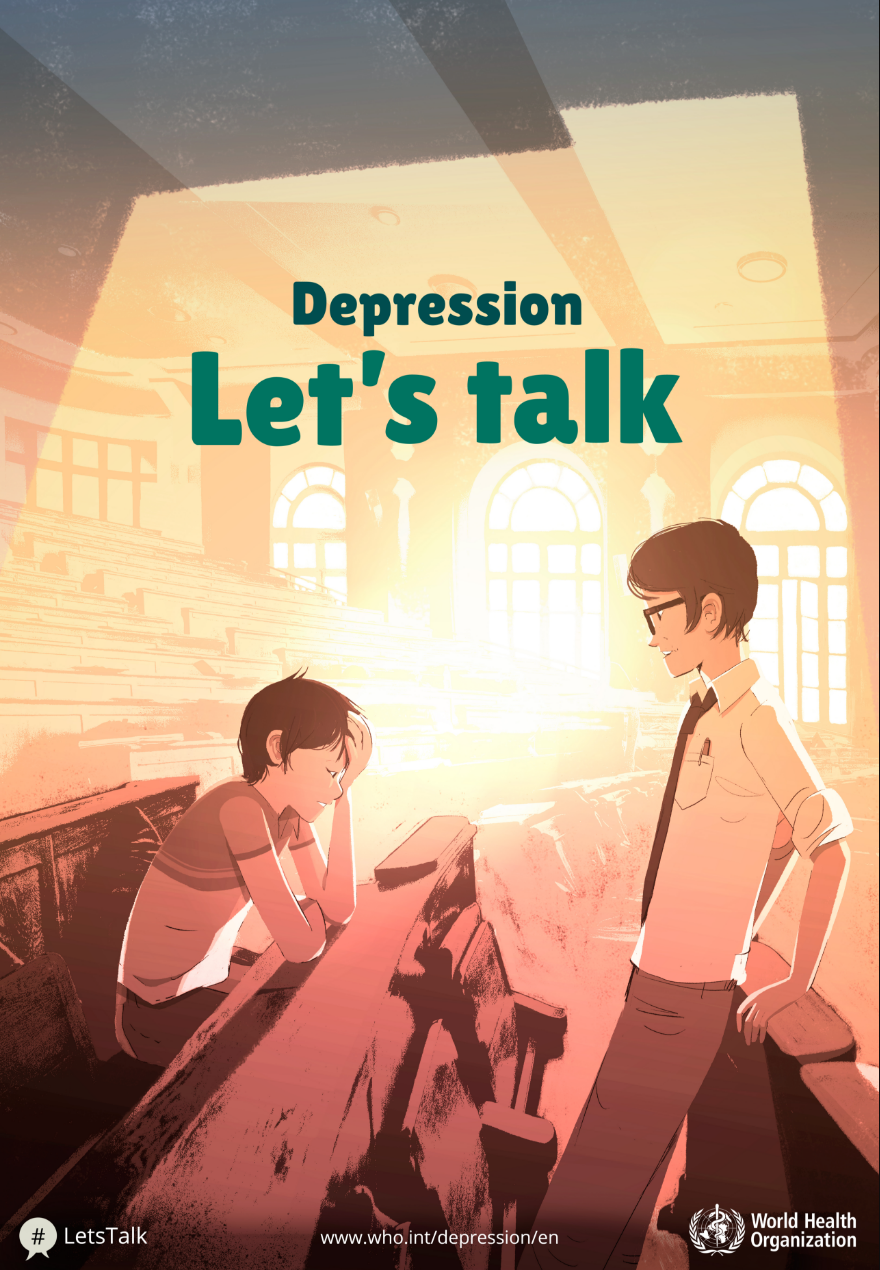
 

Urgent need for increased investment

Increased investment is also needed. In many countries, there is no, or very little, support available for people with mental health disorders. Even in high-income countries, nearly 50% of people with depression do not get treatment. On average, just 3% of government health budgets is invested in mental health, varying from less than 1% in low-income countries to 5% in high-income countries. Investment in mental health makes economic sense. Every US$ 1 invested in scaling up treatment for depression and anxiety leads to a return of US$ 4 in better health and ability to work. Treatment usually involves either a talking therapy or antidepressant medication or a combination of the two. Both approaches can be provided by non-specialist health-workers, following a short course of training, and using WHO’s mhGAP Intervention Guide. More than 90 countries, of all income levels, have introduced or scaled-up programmes that provide treatment for depression and other mental disorders using this Intervention Guide. Failure to act is costly. According to a WHO-led study, which calculated treatment costs and health outcomes in 36 low-, middle- and high-income countries for the 15 years from 2016-2030, low levels of recognition and access to care for depression and another common mental disorder, anxiety, result in a global economic loss of a trillion US dollars every year. The losses are incurred by households, employers and governments. Households lose out financially when people cannot work. Employers suffer when employees become less productive and are unable to work. Governments have to pay higher health and welfare expenditures.

schermata-2017-04-11-alle-11-27-23Associated health risks

WHO has identified strong links between depression and other noncommunicable disorders and diseases. Depression increases the risk of substance use disorders and diseases such as diabetes and heart disease; the opposite is also true, meaning that people with these other conditions have a higher risk of depression. Depression is also an important risk factor for suicide, which claims hundreds of thousands of lives each year. Said Dr Saxena: “A better understanding of depression and how it can be treated, while essential, is just the beginning. What needs to follow is sustained scale-up of mental health services accessible to everyone, even the most remote populations in the world.” Depression is a common mental illness characterized by persistent sadness and a loss of interest in activities that people normally enjoy, accompanied by an inability to carry out daily activities, for 14 days or longer. In addition, people with depression normally have several of the following: a loss of energy; a change in appetite; sleeping more or less; anxiety; reduced concentration; indecisiveness; restlessness; feelings of worthlessness, guilt, or hopelessness; and thoughts of self-harm or suicide.      

For more information or interview requests:

Alison Brunier Communications Officer World Health Organization Tel: +41 22 791 4468 Mobile: +41 79 701 9480 E-mail: bruniera@who.int Fadela Chaib Communications Officer World Health Organization Tel: +41 22 791 3228 Mobile: +41 79 475 5556 E-mail: chaibf@who.int
  • Facebook
  • Twitter

Ultimi contenuti

Live webinar ACP: ”I disturbi d'ansia in età pediatrica"
17, Apr 2026
Giornate Nazionali di prevenzione della Sindrome del Bambino Scosso
18, Mar 2026
Live webinar ACP: "Il bambino che zoppica in ambulatorio: dal sintomo alla diagnosi"
18, Mar 2026
Live webinar ACP: “Neurochirurgia pratica per il pediatra”
14, Mar 2026
Dona il tuo 5x1000 all'ACP
13, Mar 2026
Live webinar SIP/ACP: "Una dieta sana e sostenibile per il clima e non solo"
20, Feb 2026
LIVE WEBINAR ACP: “GIANBURRASCA ERA UN ADHD?”. 29 gennaio (19.00-20.00)
19, Jan 2026
LIVE WEBINAR ACP: “ORL PEDIATRICA FACILE E DIFFICILE”
23, Dec 2025
L'ACP è stata costituita a Milano il 5 settembre 1974. E' una libera associazione che raccoglie 1.400 pediatri in 33 gruppi locali, finalizzata allo sviluppo della cultura pediatrica ed alla promozione della salute del bambino. La composizione dell'ACP ricalca quella dei pediatri italiani con una prevalenza dei pediatri di famiglia (circa 65%) ed il resto di pediatri ospedalieri, universitari e di comunità. I gruppi locali svolgono inoltre sia autonomamente che in collaborazione con l'ACP nazionale, attività di formazione, ricerca, informazione dell'educazione sanitaria, definizione di protocolli diagnostico-terapeutici e valutazione della qualità delle cure e supporto a programmi di cooperazione internazionale L’ACP ha un codice etico di comportamento che investe sia i singoli pediatri che l’Associazione stessa. Svolge attività editoriale, di formazione e di ricerca, rigorosamente no profit. La libera partecipazione dei pediatri, soci e non soci, alle sue iniziative è subordinata alle sole coperture delle spese; non vengono elargiti compensi né benefit per le attività interne. Il suo modo di porsi come Associazione di fronte ai problemi della società, della cultura, della ricerca e della professione è quello di una assoluta libertà di critica di fronte a uomini ed istituzioni.
Via Filippo Garavetti 12
07100 Sassari
Menù
  • Chi siamo
  • Come Iscriversi
  • Editoria
  • Comunicati Stampa
  • Contattaci
  • Richieste di Patrocinio
  • Sezioni Regionali
  • Privacy
  • Annunci di lavoro
  • Quaderni ACP
  • Pagine Elettroniche
  • Libri
  • FAD ACP
ACP © 2026 - P.IVA: 00696410950